FREE sourcing support · up to 3%

Eligibility applies to qualified business buyers and is confirmed after we review your product, quantity, destination, and sourcing requirements.

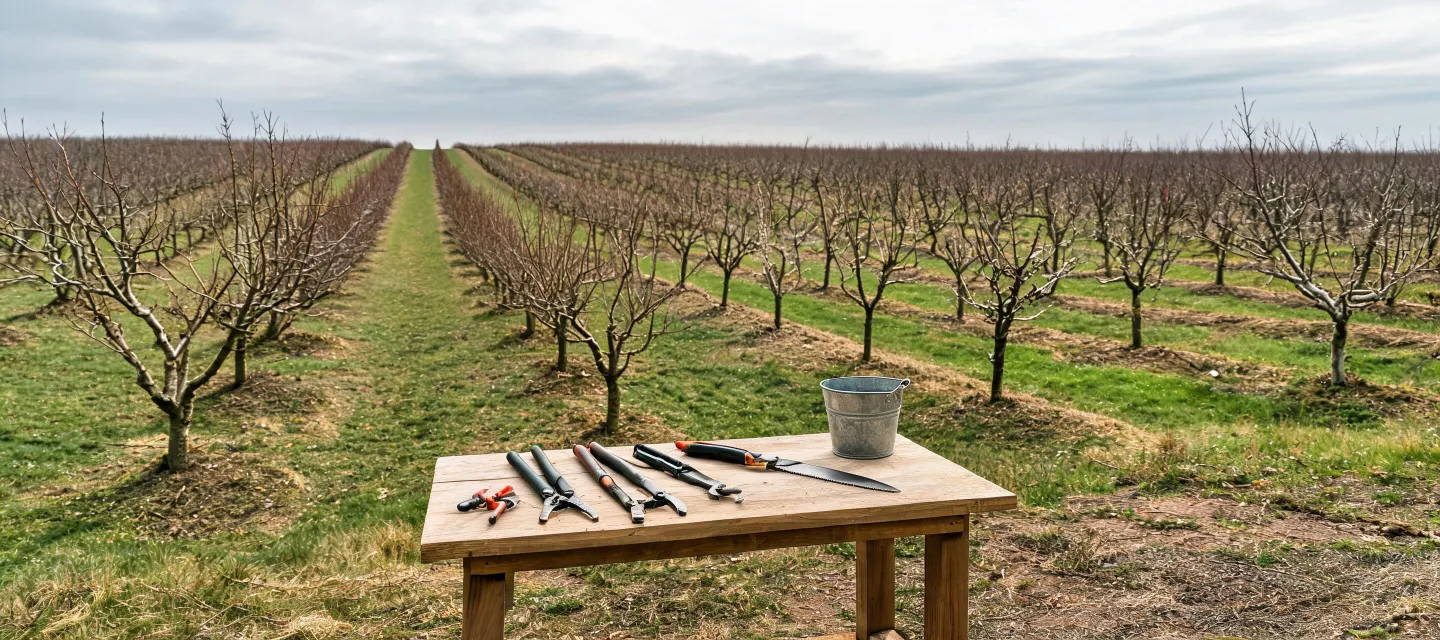
Orchard rows prepared for seasonal pruning

Application becomes specification

Battery powered pruning shears for your working conditions

Translate crop, crew pattern and seasonal constraints into a brief that factories can answer without guessing.

Different work patterns need different questions

Orchard tool preparation

Orchard crews

Record species, branch condition and the range of diameters expected during a shift. Specify the required tool weight, grip approach and battery arrangement for the crew. Ask whether the quoted cutting limit describes a single demonstration cut or the intended repeated working task.

A sample brief should name the branch condition, evaluation duration and observations to record. Do not treat an advertised maximum as proof of performance across all wood types.
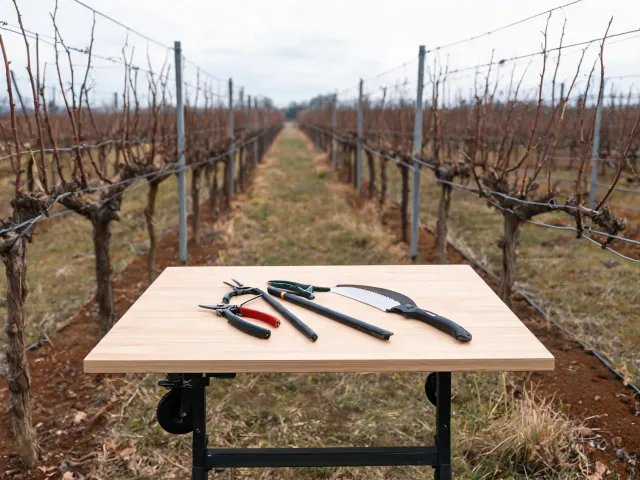

Vineyard pruning season

Vineyards & trellised crops

Describe access around the trellis, typical cut size and how tools move between rows. Compare the grip and blade geometry against the intended operation rather than asking for a generic farm tool. Confirm what cleaning and maintenance instructions the supplier provides.

Battery swaps, charger quantity and spare blades belong in the same scope. Seasonal delivery requirements should include a receiving date and room for the buyer's sample review.

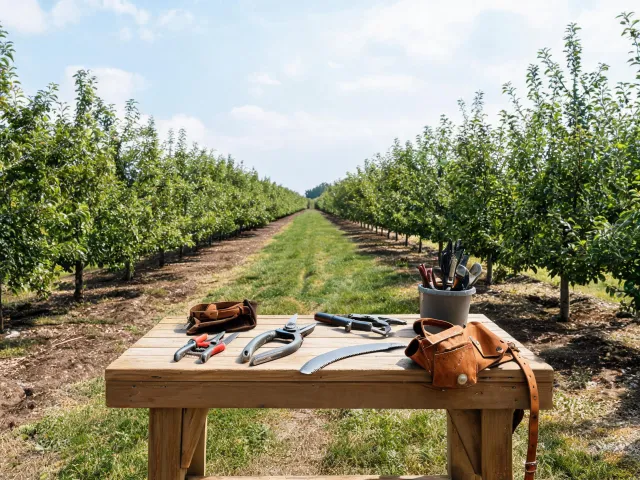
Nursery pruning station

Nurseries & tool distributors

For nursery use, explain the plant sizes, repetitive handling and cleaning routine. For a distribution program, state the packing unit, kit configuration, labeling, instruction language and replacement-part plan. These are different requirements even if both inquiries use the same product expression.

Ask the supplier to identify every component and version in a sample set. Packaging photos can support identification but do not establish conformity or ongoing spare availability.

Use the inquiry catalog to name the tool family, then describe the physical requirements in your own brief. Catalog options are not inventory or confirmed supplier offers.

Four application checks before price comparison

01Crop & wood
02Cut size & unit
03Kit & duty pattern
04Season & destination

Portable kit or a broader power system?

An integrated tool-and-battery kit can make the requested contents easier to define. An existing power-platform preference may reduce the number of battery systems the buyer wants to manage, but it requires model-specific connector, charger and battery confirmation. Matching nominal voltage alone is insufficient. Compare both configurations as complete working sets, including spares and support.

Initial price or maintenance provision?

A budget-oriented kit may suit a tightly defined short-term requirement. A higher-cost option may be considered when the factory documents replaceable components, maintenance access or support terms that the buyer values. Those provisions must appear in the quote; a premium label does not verify them. Record excluded costs and ask what happens when a blade or battery must be replaced.

Describe the field conditions that matter

Share crop, tool form, cutting capacity in mm or inches, expected work pattern, materials, power compatibility, quantity and destination. Tell us your seasonal receiving date and which parts or documents should accompany the shipment.

Request Factory Quotes